Key planning information
Seoul, Gyeongju and Busan form a practical overland route. The key is not overloading transfer days and giving each city a clear role: city culture and palaces in Seoul, ancient heritage in Gyeongju, then coast and markets in Busan.
- Trip length
- 7 days
- Best for
- First-time visitors who want cities, heritage and coast
CLASSIC KOREA ROUTE
Route by day
The route favors a logical direction and a clear purpose over maximizing the number of stops.- 01
Days 1–3 — Seoul
Use arrival day to settle near your hotel, then give one day to historic Jongno and one to the modern side that matches your interests.
- 02
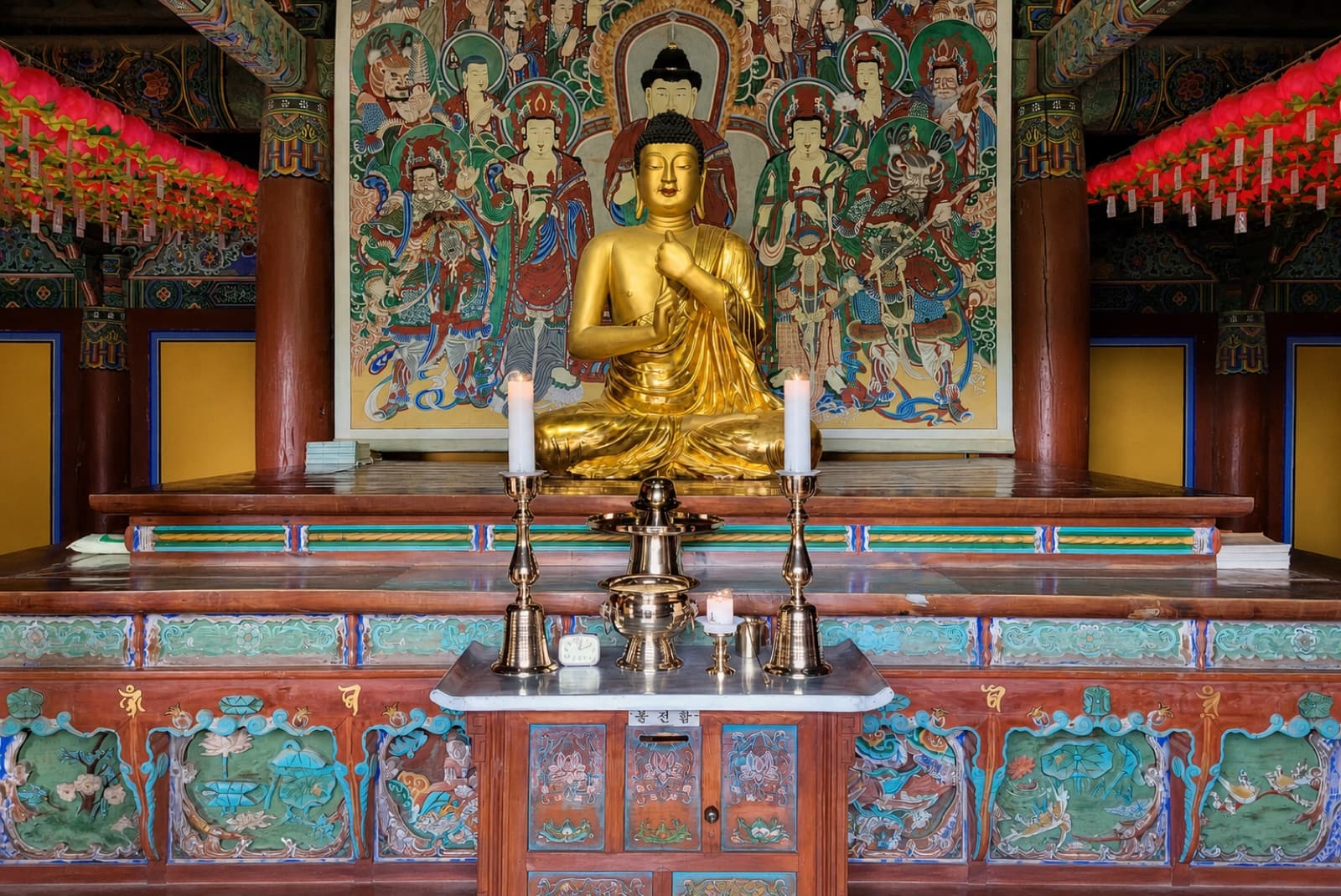
Days 4–5 — Gyeongju
After arrival, focus on central heritage and evening scenery; use the next day for sites requiring more travel, such as Bulguksa and Seokguram.
- 03
Days 6–7 — Busan
Put the coast and the old downtown market area on different days to reduce cross-city travel.
CLASSIC KOREA ROUTE
Principles for a realistic itinerary
Limit hotel changes
Moving Seoul → Gyeongju → Busan reduces unnecessary backtracking.
Route before tickets
Set the departure airport and check-in times before comparing transport. Verify schedules and fares with official booking channels.
TRAVEL FAQ
Frequently asked questions
01Is Seoul, Gyeongju and Busan too rushed for seven days?
It works if you select core areas and keep transfer days light. Adding Jeju would shorten every stay, so it is better left for a longer trip.
02Can I stay in Busan and visit Gyeongju as a day trip?
Yes, but an overnight stay is easier if you want evening scenery and early heritage visits. A Busan day trip works when minimizing hotel changes matters more.
ONDA KOREA Travel Editorial TeamPrepared by comparing official tourism sources with practical regional routing · 2026-08-26
Transport, opening hours and reservation policies can change. Recheck official tourism and operator information before booking.